

Apparel Decoration Methods, Made Simple
The right decoration method depends on your fabric, your budget, and how long the piece needs to last. Screen printing and embroidery cover most everyday branded apparel, embossing and laser engraving elevate outerwear and executive pieces, and effects like foil or glitter make a limited run pop, though they trade off some durability.
Start a Project »Everyday Branding
Workhorse methods built for volume, consistency, and cost efficiency.
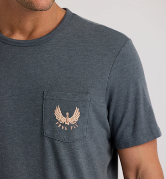
Screen Printing
Ink pushed through a fine mesh screen, one color at a time, straight onto the fabric.
Best on canvas and structured fabrics when you want strong color and no fuss.
- Bulk Event Tees
- Team Apparel
- Tradeshow Giveaways
100% cotton, cotton-poly blends, and ringspun tees.
Cured properly, it outlasts fifty plus washes without cracking.
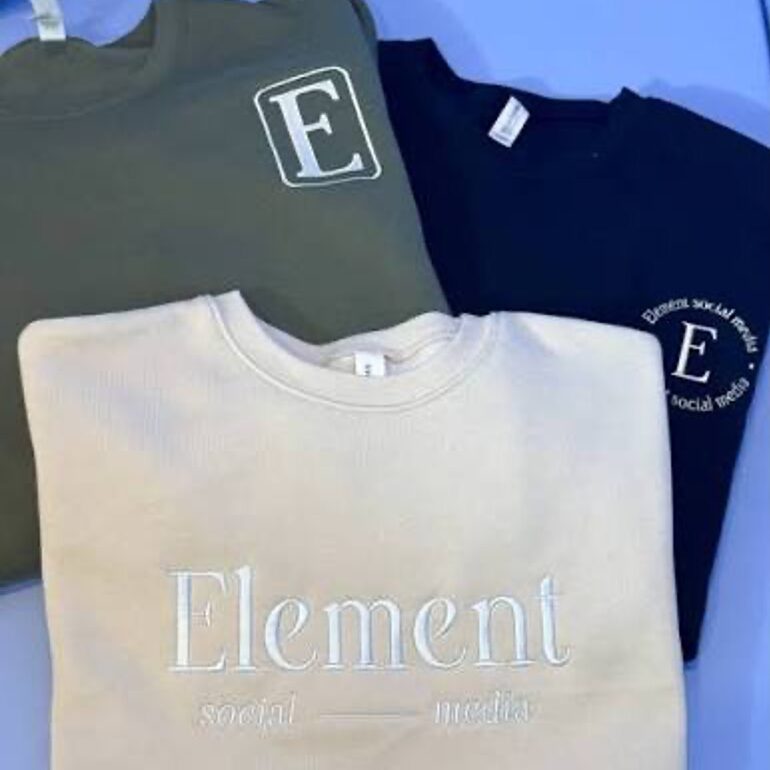
Embroidery
Thread stitched directly into the fabric instead of ink sitting on top of it.
Ideal when you want a premium, textured finish that lasts.
- Polos
- Outerwear
- Uniform Programs
Stable, mid to heavyweight wovens and knits like twill and canvas.
Among the most durable methods available.
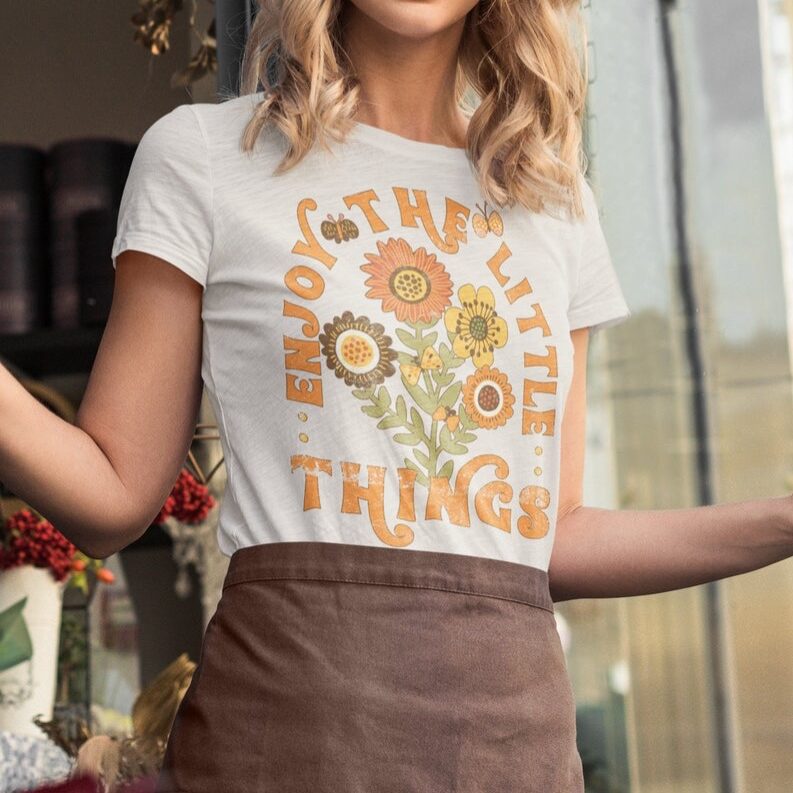
Sublimation
Dye that turns into gas under heat and bonds directly into the fibers of the fabric.
Ideal for full-color, edge-to-edge designs that need to last.
- All-Over Prints
- Performance Wear
- Athletic Jerseys
Polyester or poly-blend only, with a light base color.
Permanent, since the design becomes part of the fiber.
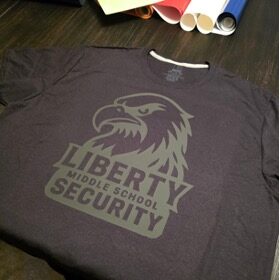
Heat Press
Heat and pressure applied to a transfer, vinyl, or printed graphic already cut to shape.
Best for small runs and last-minute turnarounds.
- Names & Numbers
- Single-Color Logos
Cotton, poly blends, and most synthetics.
Good, though vinyl can crack over time.
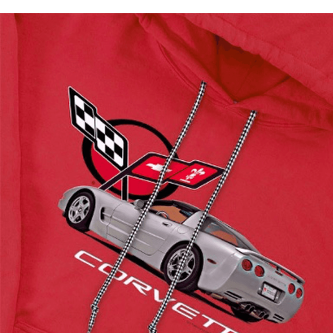
Direct-to-Garment (DTG)
Ink printed directly onto cotton, one garment at a time.
Ideal for detailed, photo-realistic artwork.
- Photo-Realistic Designs
- Full-Color Graphics
100% cotton or high cotton content blends.
Holds up well with proper pretreatment.
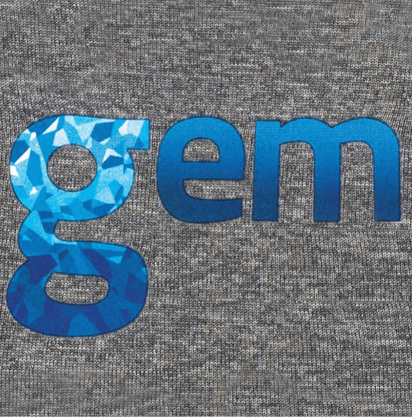
Direct-to-Film (DTF)
Artwork printed onto film, dusted with adhesive, then heat pressed onto the garment.
Ideal when one order needs several fabric types.
- Mixed-Fabric Orders
- Mid-Size Runs
Cotton, polyester, blends, and some synthetics.
Strong wash durability when cured properly.
Premium & Step-Up
Elevated finishes for outerwear, executive gifting, and retail-quality pieces.
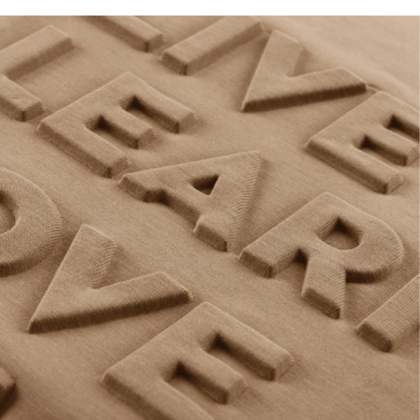
Embossing / Debossing
Heat and a custom metal die press a design up or down into the material, no ink involved.
Best for texture and prestige without any ink.
- Leather Goods
- Bag Tabs
Leather, faux leather, vinyl, and heavyweight fabric.
Permanent, since the design is structural.
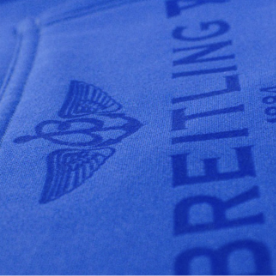
Laser Engraving
A focused laser burns away the surface of the material to leave a permanent mark.
Ideal for a refined, permanent mark.
- Outerwear
- Leather Patches
Fleece, leather, suede, and coated synthetics.
Permanent, since the material is altered.
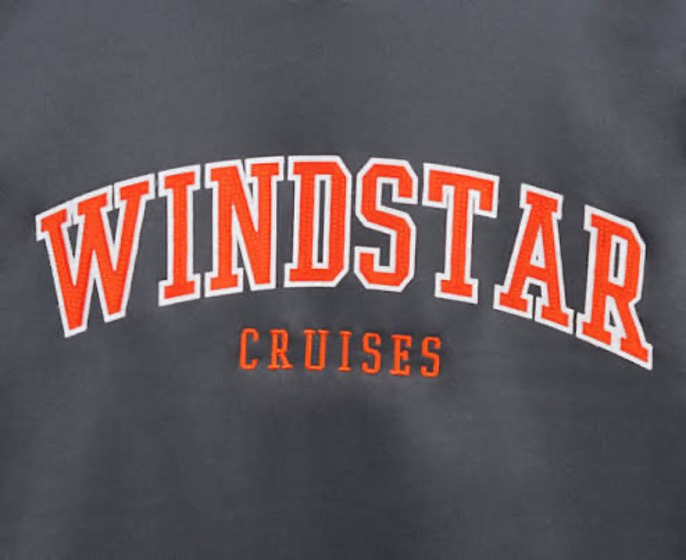
Appliqué
Separate pieces of fabric stitched onto the garment to build up texture and layers.
Best when the logo needs visible texture.
- Letterman Jackets
- Collegiate Wear
Twill, felt, and canvas on heavier base garments.
Very strong since it is sewn, not printed.
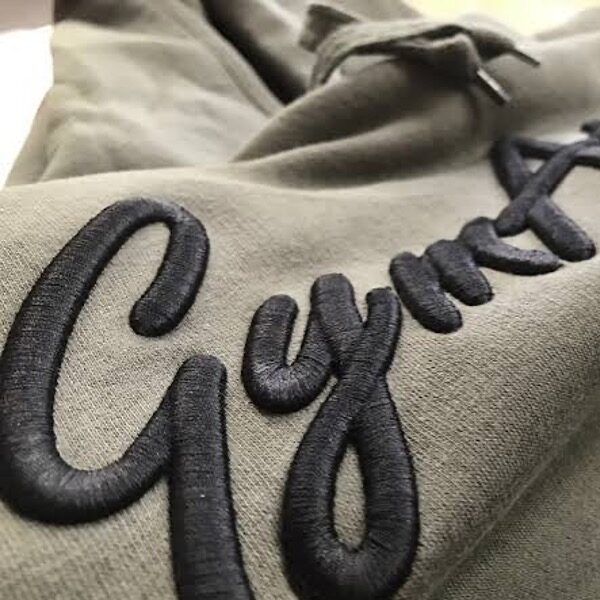
3D Puff Embroidery
A foam insert under the stitching, trimmed down into a raised, dimensional logo.
Ideal for caps where a raised logo is the standard.
- Caps
- Structured Headwear
Twill caps, canvas, and heavyweight fleece.
Less washable than flat embroidery.
Specialty Effects
Trend-driven, statement finishes for limited runs and pieces designed to stand out.
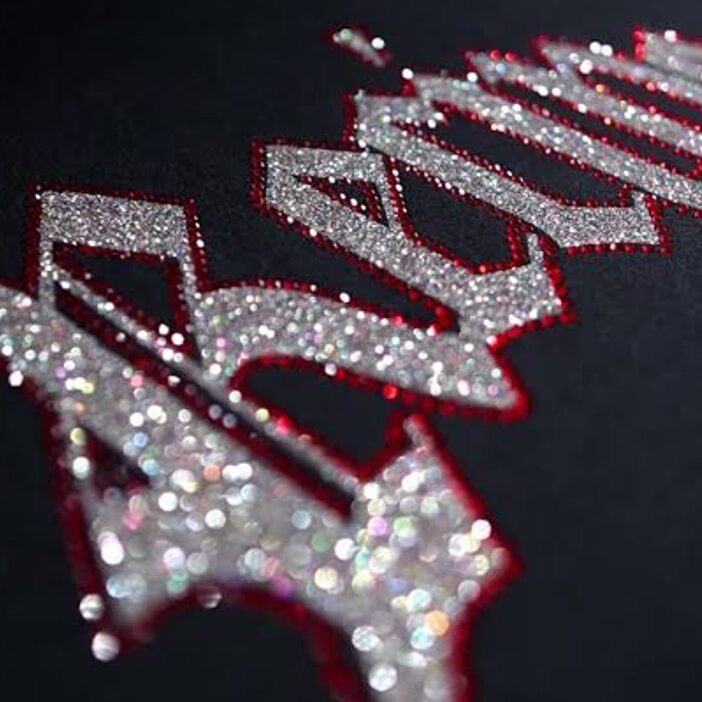
Glitter
Specialty glitter ink or a glitter transfer applied for a sparkling, decorative accent.
Best as an accent, not full coverage.
- Event Tees
- Fan Gear
Cotton and cotton-blend tees.
Moderate. Wash inside out to extend shine.
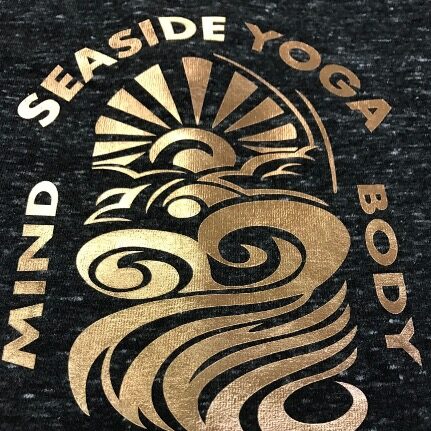
Foil
Metallic foil heat applied over an adhesive base for a bright, reflective finish.
Ideal for a metallic pop on limited runs.
- Limited-Edition Runs
- Holiday Apparel
Cotton and cotton-blend tees.
Striking at first, can crack with washing.
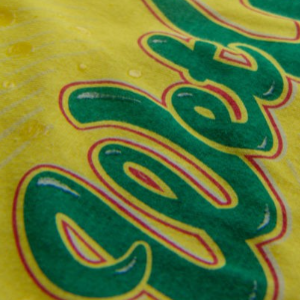
Wet Gel
A thick, glossy, gel-like ink that builds real dimension straight off the press.
Best for bold logos needing real dimension.
- Bold Single-Color Logos
- Statement Graphics
Cotton and cotton-blend garments.
Holds gloss well through normal washing.
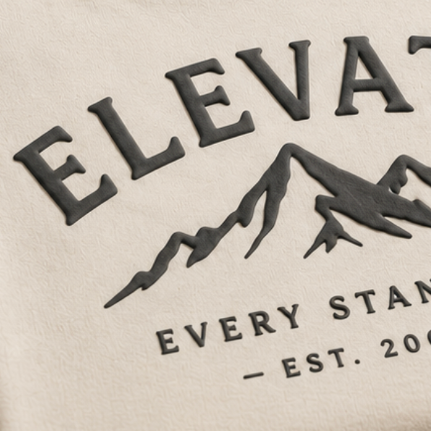
3D Matte
A raised, matte-finish print that gives dimension without any shine at all.
Ideal for a sophisticated finish, no shine.
- Premium Streetwear-Style Apparel
Cotton and heavier cotton-blend tees.
Resists cracking better than glossier inks.
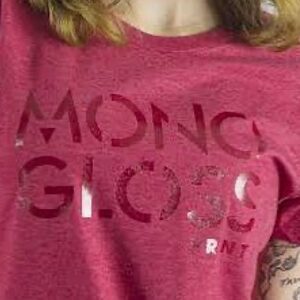
Mono Gloss
A single-color, glossy raised print effect.
Best for simple logos needing a clean shine.
- Simple Single-Color Logos
Cotton and cotton-blend apparel.
Comparable to standard screen print.
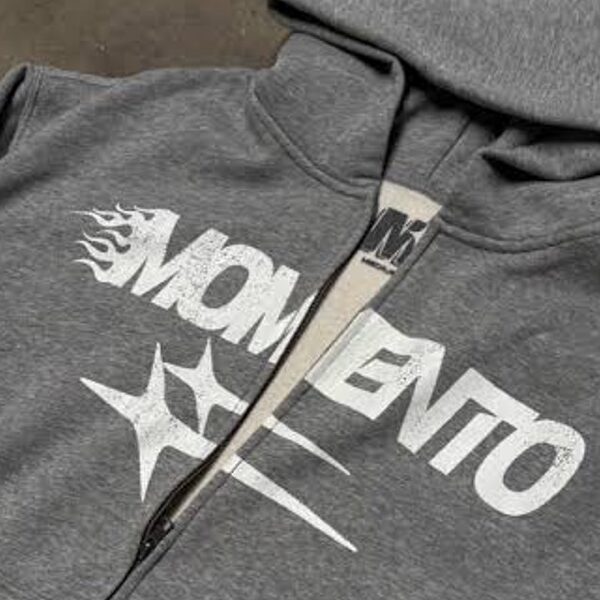
Print Over Zipper
A specialized printing technique that allows artwork to continue across a garment's zipper.
Ideal when a design reads as one continuous graphic.
- Jackets
- Zip Hoodies
Fleece, soft shell, and woven jacket fabrics.
Comparable to standard screen printing.
Reflective
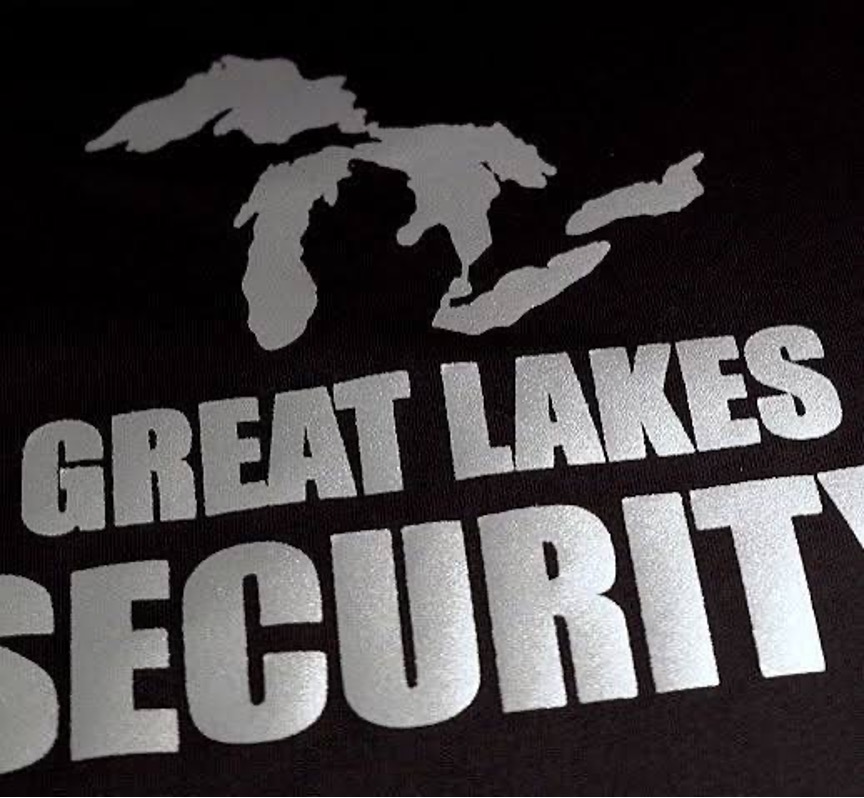
Reflective pigments or material shine brightly when illuminated.
Best when visibility matters as much as branding.
- Safety Apparel
- Field-Service Uniforms
Cotton, poly blends, and outerwear fabrics.
Holds up well, dulls gradually with heavy use.
Glow in the Dark
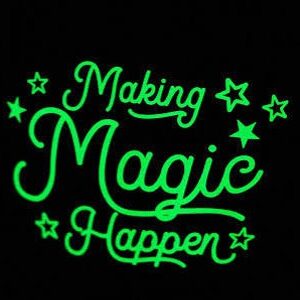
Specialty phosphorescent inks glow after exposure to light.
Ideal for event pieces meant for one moment.
- Event Apparel
- Nighttime Events
Cotton and cotton-blend tees.
Glow fades gradually with each wash.
Lenticular
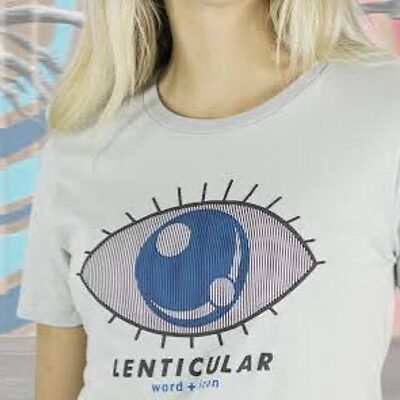
Specialty lens material creates motion or depth effects.
Best for novelty accessories where movement is the point.
- Novelty Patches
- Collectible-Style Accessories
Applied as a patch or panel on caps, bags, or jackets.
Can scratch or cloud if rubbed or washed.
Common Questions
Embroidery and sublimation are the most durable options available. Embroidery can outlast the garment itself, and sublimation becomes part of the fiber rather than sitting on top of it, so neither cracks, peels, or fades with normal washing.
Yes. It is common to combine methods within the same program, embroidery on polos and screen printing on event tees within a single employee apparel order, for example. We recommend the right method for each piece rather than forcing one method across an entire program.
Screen printing is more cost effective at high volume and holds up better over years of heavy wash. DTG is better suited to highly detailed or photo realistic artwork, since there is no setup cost per design.
It comes down to fabric, budget, and how long the piece needs to last. Tell us what the apparel is for and we will recommend the method, you do not have to become an expert in production techniques to get this right.
Generally yes. Specialty effects require additional setup or material compared to standard screen printing, and they are best reserved for limited runs or statement pieces rather than large daily wear programs.
Not Sure Which Method Fits?
Tell us what you are decorating and what it needs to survive, and we will tell you the method that makes sense. No guessing required.
Start a Conversation »